All too often after a brain injury, discharge from clinical services also means falling off a cliff-edge of support, with individuals and their loved ones reeling from dramatic changes in their lives and unaware that we are here to support them.
All too often after a brain injury, discharge from clinical services also means falling off a cliff-edge of support, with individuals and their loved ones reeling from dramatic changes in their lives and unaware that we are here to support them.
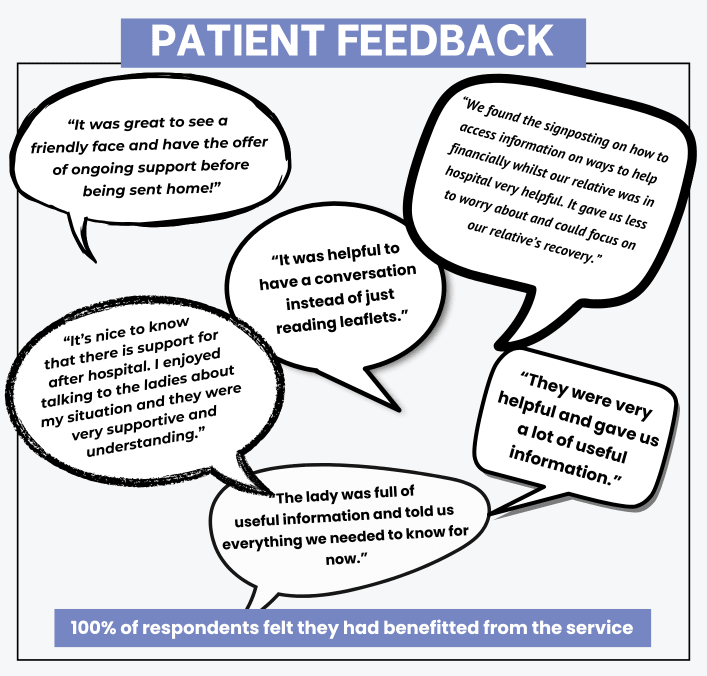
Headway Nottingham’s new ‘By the Bedside’ project aims to address this, providing support, guidance and a listening ear at the very earliest opportunity and for as long as required.
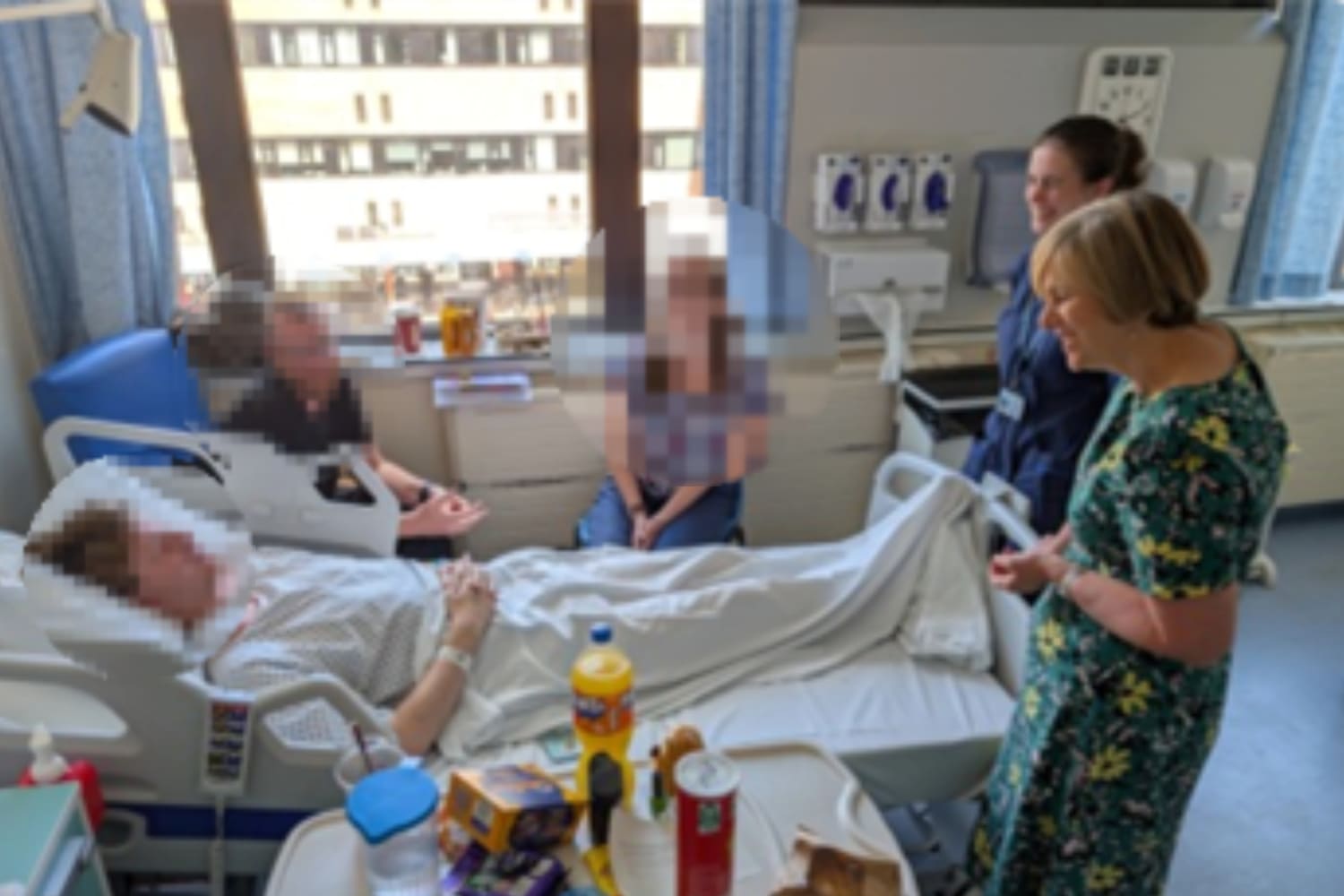
Having initially launched the project with little fanfare, Headway Nottingham and QMC-based Traumatic Brain Injury Teams were thrilled to welcome MP for Nottingham South, Lillian Greenwood, to experience firsthand the transformative impact of collaborative brain injury care during her recent visit to Queen’s Medical Centre.
The parliamentary visit shone a light on the urgent need for consistent brain injury support, long after the life-saving work of medics has ceased.
Parliamentary visit
During her visit, Lillian Greenwood met a 22-year-old student teacher recovering from a serious accident, whose last memory before waking up in the hospital was of a bus coming towards him. Now doing well in his recovery (and full of praise for the outstanding care he has received at the QMC) he’s looking forward to going home and continuing his recovery with support from Headway Nottingham.
Headway Nottingham’s By the Bedside project lead, Angela Cattermer said:
“It’s wonderful to finally celebrate our By the Bedside project alongside the phenomenal Neuro Trauma Service. Clients at our day centre regularly share with us how much they wish they’d had a non-clinical but knowledgeable ‘friend’ to help them understand the hospital processes and procedures they experienced immediately after sustaining their brain injuries, and beyond as they began their journey of recovery and adjustment to what the future with disabilities held.
“In 2020, more than a third of our day centre clients had waited over ten years to access brain injury support after clinical discharge, which for too many people can mean ten years of spiralling problems with finances, housing, health and relationships, only exacerbating the devastating circumstances they suddenly find themselves in. By supporting at the earliest opportunity, we can avoid these crisis situations and focus on helping facilitate the next steps of recovery. For those who sustain complex disabilities and who may need us in the years to come, they’ll know we’re here to support them for as long as they need us.
“We’re so grateful to Alex Leggatt, Grace Darr, Lisa Martin and all the incredible staff at the QMC for welcoming us to the team and helping us make the project the success that it is. By working together, we’re supporting patients and their families through the toughest times they might ever experience. To have that recognised by a local MP is the cherry on the cake.”
Team Work
Celebrating the Team
The visit wrapped up with cake and celebrations in the ward’s day room. Everyone heard from the key people involved – Anthony May (CEO of Nottingham University Hospitals), Charlotte Leask (CEO of Headway Nottingham), Grace Darr from the Neuro Trauma Team, and Alex Leggatt (Consultant Neurosurgeon).
Since beginning the project in September 2024, the By the Bedside project has already helped over 135 patients and their families.